
PCOS-Friendly Meal Prep: Time-Saving Tips for Real Life (Not Pinterest)
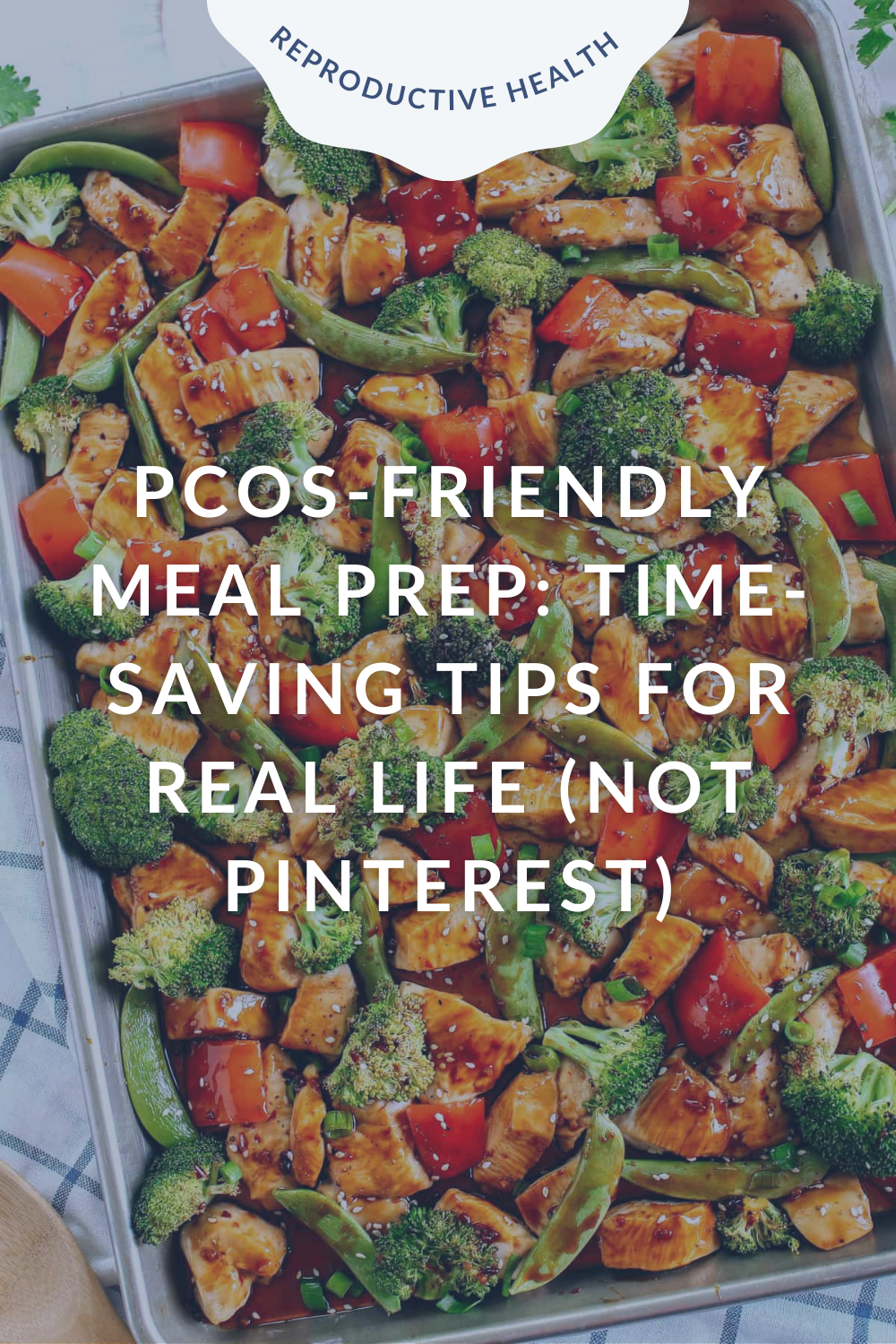
If you live with PCOS, you’ve probably heard a lot about what to eat: low glycemic this, balanced that, fibre, protein, unsaturated fats…you know the drill.
But the real question is usually:
“How am I supposed to do this in my actual life…with work, kids, fatigue, and zero desire to spend Sunday batch-cooking for six hours?”
PCOS Recovery Program
In our 1:1 clinic and PCOS Recovery Program, we see most people fall into one of two camps when it comes to meal prep:
Camp 1: Analysis Paralysis
“I’m overwhelmed, I don’t know where to start, Pinterest recipes are 14 steps long… so I just… don’t cook.”Camp 2: All-or-Nothing Prep Queen
“I go all in for two weeksperfect containers, full fridge, colour-coded snacks—then burn out and order Uber Eats for 10 days straight.”
If you see yourself in either camp (or a bit of both), you’re not alone.
The good news? PCOS-friendly nutrition does not require chef-level skills or full-week meal prep marathons. Small, strategic actions, (and yes that includes using convenience foods)can make a big difference to blood sugar, insulin, and cortisol without taking over your life.
This guide walks you through four practical, time-saving strategies you can start this week.
Why Small, Convenient Habits Matter for PCOS
Before we get into the “how,” a quick zoom-out.
For PCOS, our big nutrition goals are usually:
Steadier blood sugars → more stable insulin levels
Lower overall stress load → better cortisol rhythm
More consistency → less extreme “on/off the wagon”
The magic is not in perfection. It’s in repeatable habits that fit your real schedule:
5 extra minutes at dinner to prep breakfast
A stocked “rescue pantry” for emergency meals
One-pan dinners that check all the boxes without extra thinking
Snacks that are actually ready when you’re hungry
Let’s break them down.
1. Prep Breakfast During Dinner Cleanup
Many of our clients are excellent at getting dinner on the table for everyone else… but breakfast the next morning is a different story.
Skipping or “coffee-for-breakfasting” the might feel normal, but for hormones it can look like:
Higher, more chaotic cortisol through the day
Blood sugar lows → energy crashes → late-afternoon or evening feeling out of control around food
More cravings, brain fog and fatigue
Why breakfast matters for cortisol & PCOS
Cortisol naturally peaks in the morning to help you wake up, then gradually falls at night as you sleep.
Regularly skipping breakfast can:
Disrupt that rhythm (think “wired and tired”)
Make your body feel more stressed, even if you don’t feel mentally stressed
Set you up for bigger blood sugar spikes later in the day
For PCOS, steady cortisol and insulin help:
Support ovulation
Stabilize mood and energy
Reduce “hangry” episodes
A simple habit stack: 5 minutes, big payoff
While you’re already in the kitchen after dinner:
Make overnight oats or chia pudding
Base: oats or chia
Add: Greek yogurt or protein powder, milk/milk alternative
Top: frozen berries, seeds, nut butter
Or pack a “grab & go” breakfast box
1-2 fruits (pear, apple, banana, clementines)
Hard boil 2 eggs
1 handful of nuts in a little container
Pop it in the fridge as you wipe the counters. Future-you walks to the fridge in the morning and literally grabs breakfast like takeout.
No decision-making. No skipping. No hormone roller coaster.
2. Build a “Rescue Pantry” of No-Cook (or Almost No-Cook) Foods
We all have those nights: you get home late, you’re tired, and your brain is done making decisions. That’s when default habits kick in.
A rescue pantry/freezer gives you a safety net, a way to throw together a balanced meal in 10 minutes using shelf-stable and frozen foods.
Stock these PCOS-friendly staples
Think: minimal prep, long shelf life, blood-sugar supportive.
Pantry:
Canned beans (chickpeas, black beans, lentils)
Canned tuna, salmon with bones, or sardines
Microwavable rice or grain pouches
Chickpea or lentil pasta
Jars of salsa, tomato sauce, pesto
Freezer:
Frozen mixed vegetables
Frozen spinach or kale
Frozen edamame
Frozen cooked rice (yes, you can freeze it in individual portions!)
Why this matters for hormones
Two ingredients that deserve a shout-out:
Frozen vegetables
Still provide fibre and antioxidants
Fibre slows digestion and helps soften blood sugar spikes
Antioxidants support overall inflammation (important for PCOS)
Pulses (beans, lentils, chickpeas)
High in fibre, magnesium, and B vitamins
Magnesium supports insulin sensitivity and nerve function
B vitamins support energy, metabolism and mood
You’re not “cheating” by using canned or frozen. You’re being strategic.
Example 10-minute “rescue bowl”
One of my favourite simple combos:
Microwavable or frozen rice
1 cansalmon
Frozen spinach (microwaved or steamed)
Drizzle with mayo + sriracha, top with crumbled nori
High protein, high fibre, omega-3s, satisfying and fast.
3. Use the ½,¼–¼ Sheet Pan Formula
Sheet pan (one-pan) meals are perfect for the “I want to eat well but absolutely do not want 5 pots on the stove” days.
Here’s a plug-and-play formula:
½ the pan = vegetables
¼ the pan = protein
¼ the pan = starchy carbs
Step-by-step
Grab a sheet pan
Fill half with veggies
Broccoli, bell peppers, zucchini, carrots, green beans (fresh or frozen)
Fill a quarter with protein
Chicken thighs, tofu, tempeh, salmon, frozen edamame
Fill the last quarter with carbs
Potatoes, sweet potatoes, squash, or canned chickpeas
Drizzle with olive oil, sprinkle with salt, pepper, and any spices you like
Roast until everything’s cooked through (check internal temp for meats)
Done. One pan. Minimal dishes. Easy to repeat weekly with different combos.
Why this helps PCOS
This simple visual gives you:
Plenty of fibre + antioxidants from veggies
Protein to support satiety, muscle, and blood sugar balance
Slow-digesting carbs to avoid sharp spikes and crashes
That balanced plate helps:
Smooth out blood sugar curves
Reduce large insulin spikes
Support steadier energy, focus, and mood
Even if it’s not the most gourmet dish ever, it’s a dependable, low-stress default on busy nights.
4. Don’t Forget Smart Snack Prep
Snacks often get treated like an afterthought or something to “cut out,” but for many people with PCOS, snacks are:
A key tool for blood sugar stability
A chance to get in extra fibre, protein, and micronutrients
A way to prevent the “3 PM crash → 9 PM pantry raid” cycle
When snacks are especially helpful
You may benefit from planned snacks if you:
Have long stretches (5+ hours) between meals
Experience afternoon energy dips or headaches
Notice strong cravings late afternoon or evening
Feel shaky, irritable, or “hollow” between meals
A simple snack formula: protein + fibre
Think one protein + one fibre source:
Greek yogurt + berries
Handful of nuts + fruit
Babybel or string cheese + veggie sticks
Edamame + carrots or snap peas
If it fits your budget and brain space, lean on pre-portioned options:
Individual yogurt cups
Pre-boiled eggs
Single-serve nut packs
Keep some at home and some at work so they’re easy to grab before you get overly hungry.
Convenience Is Not “Cheating” – It’s Strategy
If there’s one mindset shift I’d love you to walk away with, it’s this:
Using convenience foods and shortcuts is not laziness. It’s a form of self-care.
You do not need to:
Cook everything from scratch
Follow elaborate recipes
Meal prep entire weeks at a time
You can:
Spend 5 extra minutes after dinner prepping breakfast
Rely on frozen veg and canned beans without guilt
Use one-pan meals as your midweek lifeline
Treat snacks as a helpful tool, not a failure of willpower
These small, repeatable actions can:
Lower your daily stress load
Support more stable cortisol and insulin
Help you feel more energized, clear-headed, and nourished—without living in the kitchen
Want Help Personalizing This for Your PCOS?
If you’re thinking, “This all sounds great, but I need someone to help me plug it into my life, my schedule, and my symptoms…” — that’s exactly what we do.
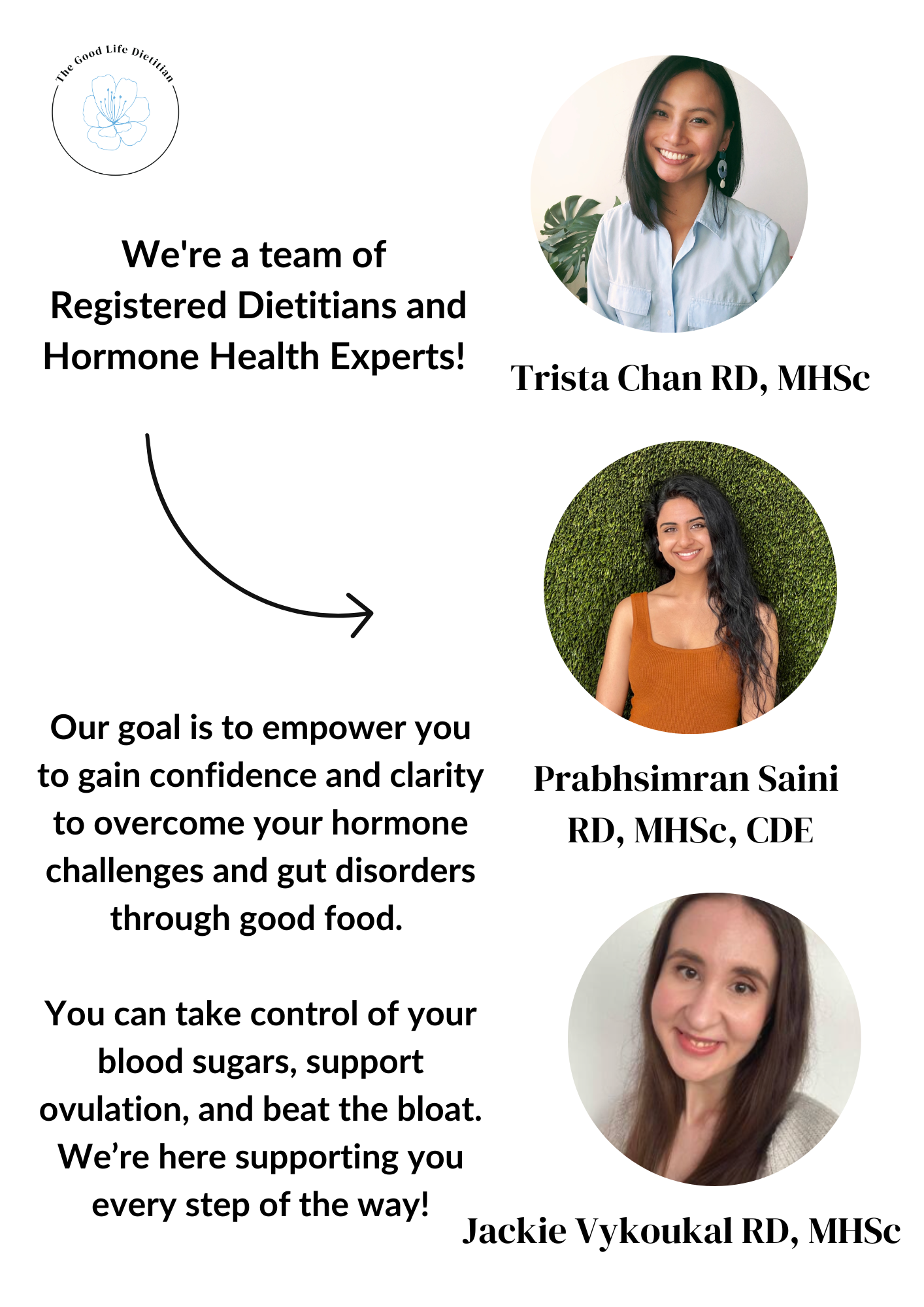
Our team of registered dietitians at Nest & Nurture supports people across Canada with:
PCOS
Endometriosis
Diabetes
Heart disease
Gut and hormone concerns
We combine medical nutrition therapy with real-world, practical skills—so you’re not just told what to eat, but how to make it work in your actual life.
You can learn more about our 1:1 coaching options in the show notes / links on the site.
And if this episode-turned-blog was helpful, feel free to share it with a friend or loved one who’s also tired of feeling like they need to be a full-time chef to support their hormones

Hi! I’m Trista
A Registered Dietitian and reproductive health expert. I’m here to help you gain confidence to overcome your Polycystic Ovary Syndrome and digestive health woes, while bettering your relationship with food.
CATEGORIES


Ready for Support?
If you’re craving a calmer, more sustainable approach to nutrition, our dietitians’ 1-on-1 nutrition programs can help you personalize gentle nutrition, stabilize energy and digestion, and build habits that last - no rigid rules required.